
SGA supports Maryland bill on opioid-reversal training for college students, limits liability
By Theresa Pratt, Deputy News Editor
Towson University’s Student Government Association passed a resolution on Feb. 3 supporting a bill in the Maryland legislature that would mandate Maryland universities to expand their overdose training to include information about naloxone, known widely as Narcan, and exempt people who administer it in good faith from liability.
Maryland House Bill 222, known as the Naloxone Access Act, would require incoming full-time students to be trained in administering naloxone and other “overdose-reversing” medications. The SGA passed its bill supporting the legislation unanimously.
SGA President Pro Tempore Ryan Kelly introduced the resolution. Recently, the senate members have been searching for bills they can support that affect every day college students.
Naloxone is an opioid-overdose reversal medication proven to save lives during opioid overdoses, so Kelly thought the resolution would be beneficial to the student body.
“This does a great deal because rather than just staff and administrators having to be on the lookout for this, students themselves can have the ability to address this on their own,” Kelly said. “We are sending a message to state lawmakers that we want them to pass this and that we want them to ensure the safety of our students.”
Kevin Ferrell, an SGA senator for the College of Liberal Arts, echoed similar sentiments.
“It aligns with our broader priorities because it’s really putting safety and students first. It’s better to be safe than sorry with a lot of these cases,” Ferrell said.
Naloxone has been available on Towson University’s campus since 2017, but it has not been a requirement for all campuses to have until now.
The university is required to track and report overdoses to the state.
Zachary Hitchens, a psychotherapist that works in substance abuse services at the campus counseling center, said that opioids are not the only drugs that naloxone can be used to help treat overdoses for.
“What we do worry about is accidental exposure to fentanyl,” Hitchens said. “Fentanyl’s widely distributed in pretty much all drugs that are sold on the street.”
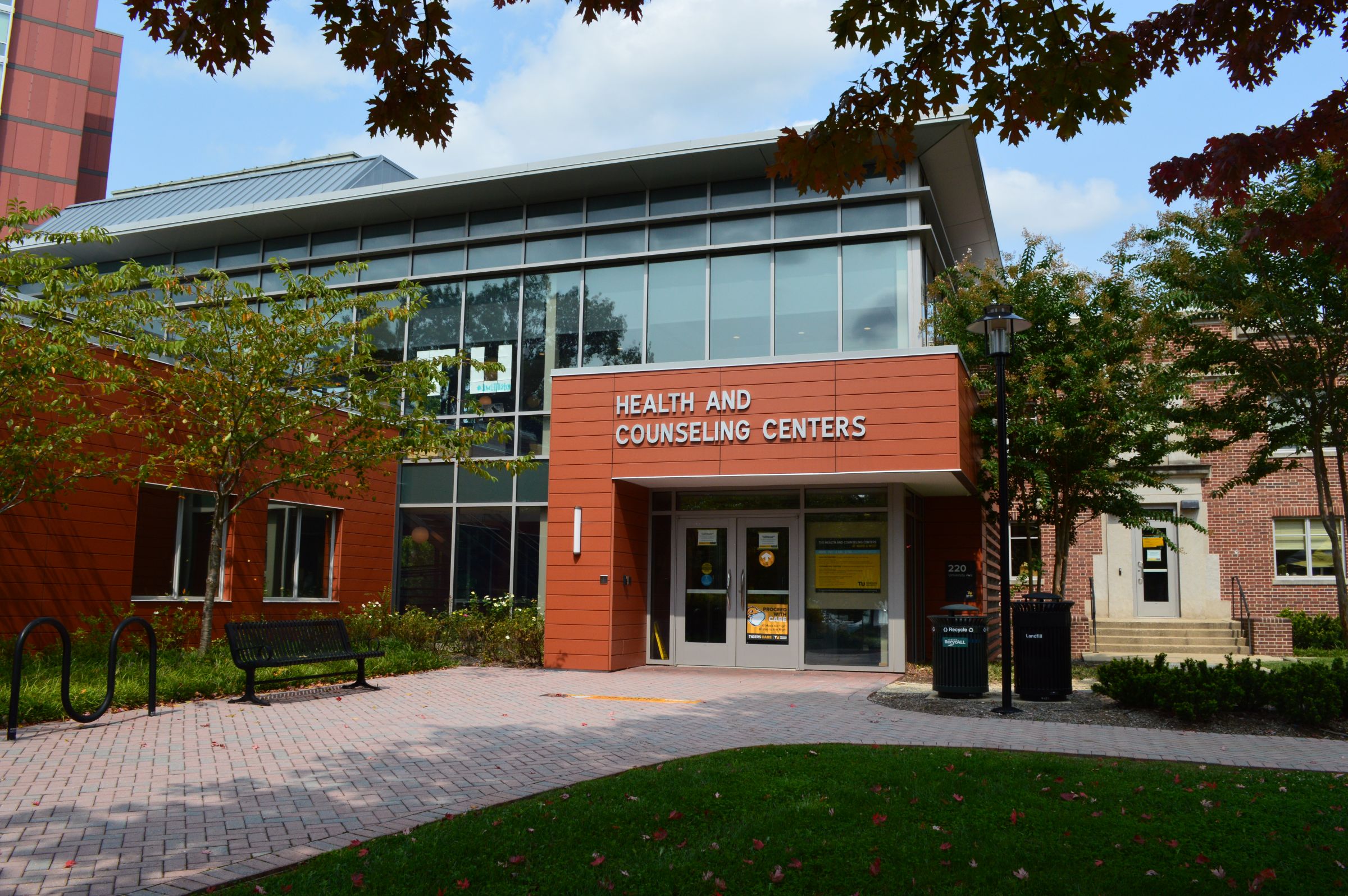
Hitchens also said that naloxone is available in all Automated External Defibrillator cabinets, known as AEDs, on campus, from any TUPD officer and in the health center.
Laura Kroart, a professor in the College of Health Professions who studies substance use and opioid overdose, said that naloxone is a critical tool in the opioid overdose epidemic. The medicine works by bumping opioids off the brain’s receptors, effectively reversing the overdose and restarting the person’s breathing.
“We are all on the side of wanting fewer people to experience overdose,” Kroart said.
According to the Department of Legislative Services, if the bill is passed in the Maryland legislature it would take effect on July 1, 2026.