

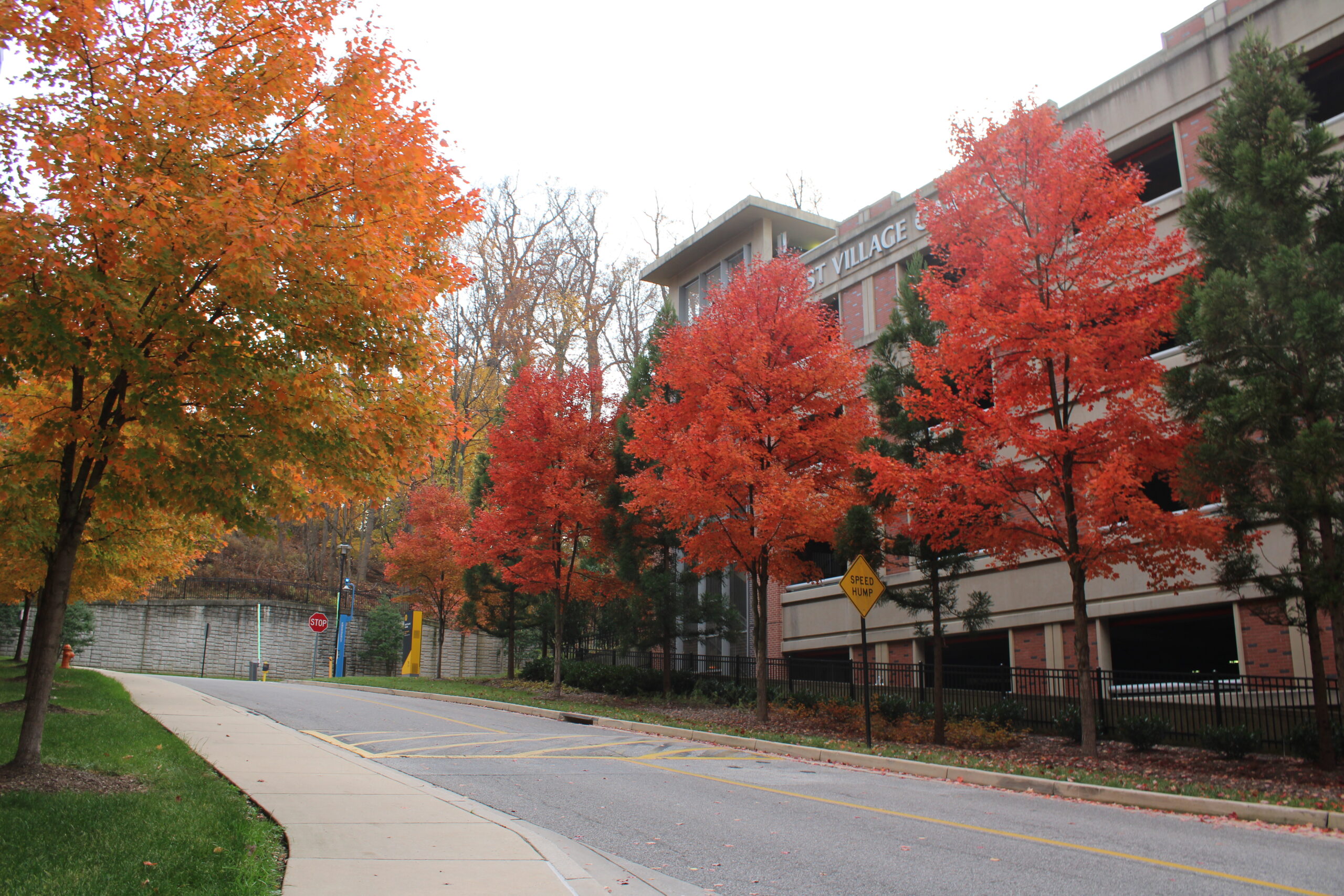
A hotter October: Towson community reflects on rising autumn temperatures
By Eva Luzier, Contributing Writer
It’s 80 degrees in October, and Towson students have yet to put away their summer wardrobes.
This month, unusually warm weather raises concerns about climate change.
For the past three decades, October in Towson has been an average high of 68 degrees Fahrenheit, while the average low is 47 degrees, according to Time and Date.
On Friday, Oct. 2, Towson’s temperature reached a high of 91 degrees and a low of 61 degrees.
This shift in weather patterns has not gone unnoticed by students, staff and community members.
“Our Octobers have warmed long-term,” said Michael Allen, a Towson University associate professor of geography whose expertise includes climate, meteorology and public health.
“What we are seeing around the world is that our nighttime temperatures (are) actually warming more rapidly than our daytime temperatures,” Allen said. “So we can’t cool down at the same rate.”
Experts are following these patterns, and students said they feel the effects when they walk on campus.
“It feels jarring to walk on campus, and it’s so hot,” said Leyla Brown, a senior majoring in environmental health. “The leaves are literally changing colors.”
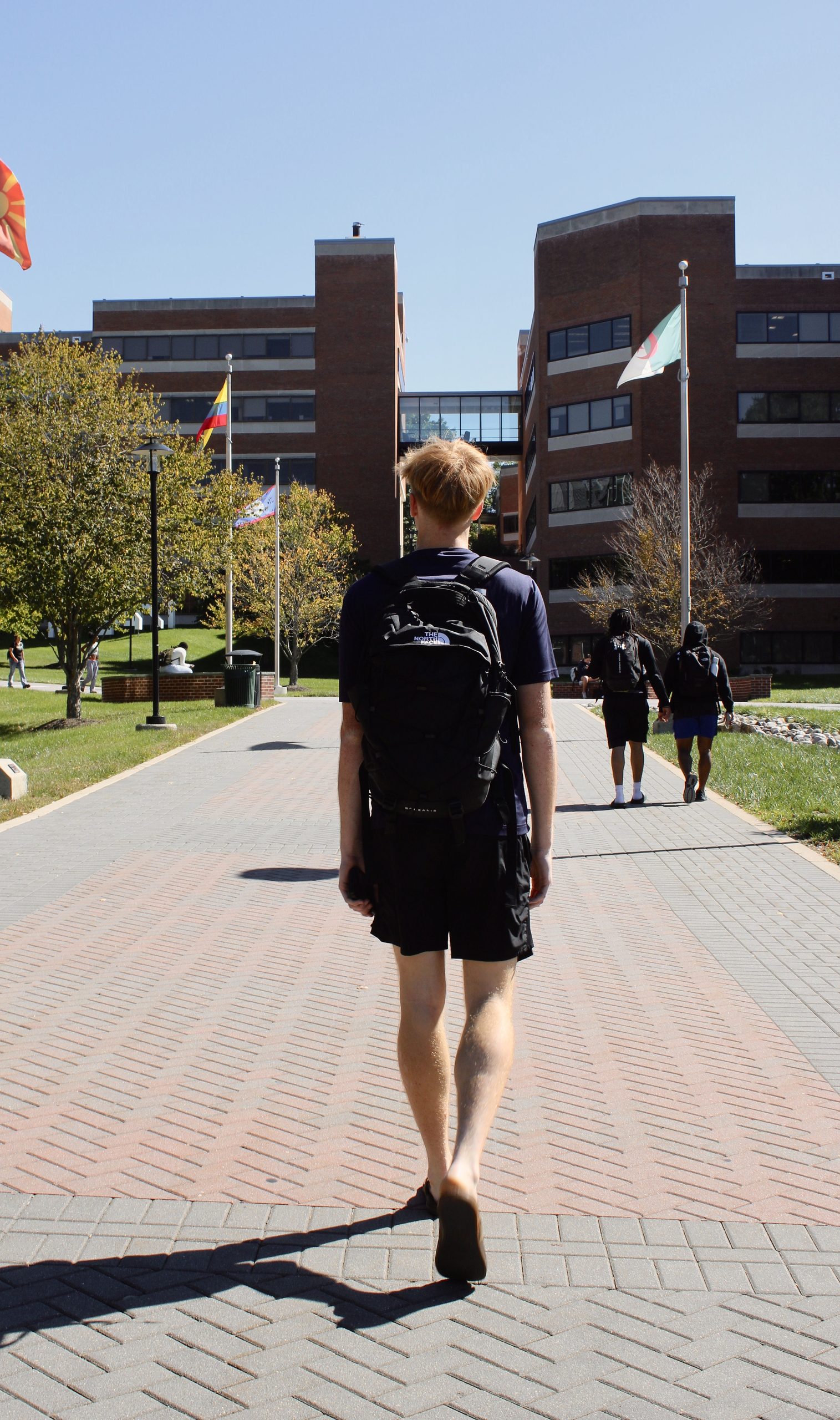
(Eva Luzier/The Towerlight)
According to Climate Central, average fall temperatures in Baltimore have increased by 1.4 degrees Fahrenheit since 1970, with an overall temperature increase of 2.5 degrees Fahrenheit.
“I do think that the changes have happened gradually enough that sometimes we don’t think about it,” said Lara Asseo de Choch, a Cockeysville resident and former Towson student who has noticed the changing temperatures over the years.
Prolonged heat can affect how students navigate campus, whether that means spending more time indoors or avoiding longer walks to class.
“Thinking back to when I was a student at Towson in 2018-2020, I think about how much hotter it is now. We used to do so much outside. Now, I think how much we probably wouldn’t have done that with this heat,” Asseo de Choch said.
As temperatures continue to rise, Allen said it’s important to take personal action to address climate change.
He has made changes to his own routine to reduce his carbon footprint.
“I’ve made the choice personally to (bike) to school in all weather,” Allen said.
With rising temperatures and national concerns over the environmental impact of artificial intelligence data centers, climate change is becoming a heavily addressed topic.
“Data doesn’t drive people. Experiences and storytelling certainly does,” Allen said. “It’s going to take time, it’s going to take investments, it’s going to take students to push for that.”